
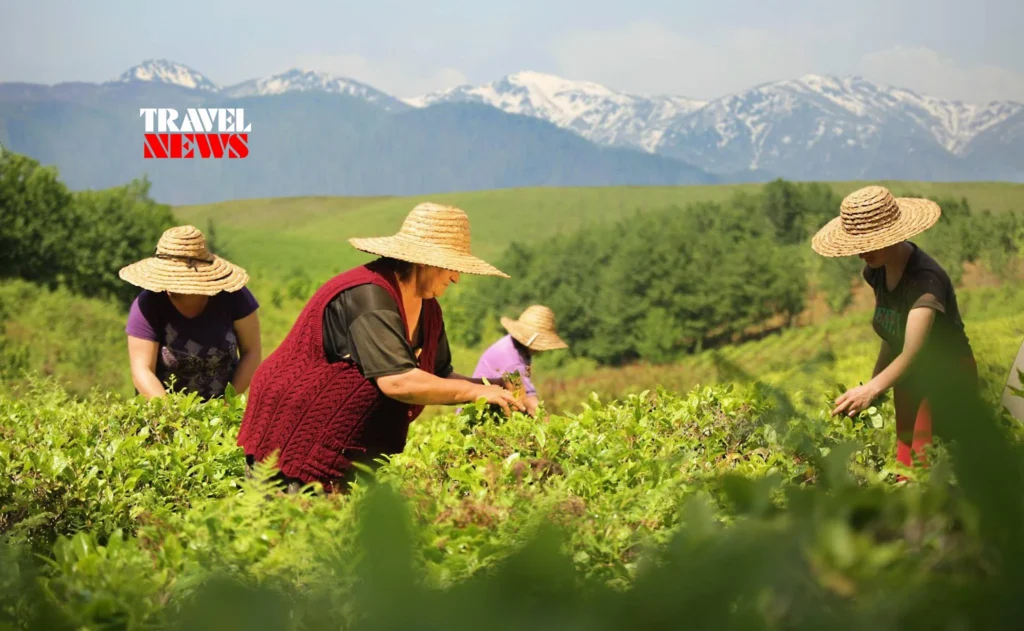
Sustainable tourism is a modern approach to tourism development that brings together economic benefits, environmental protection and the interests of local communities. Its goal is to create a tourism environment where today’s development preserves natural, cultural and economic resources for future generations.
Sustainable tourism connects the economic benefits of tourism with the responsible use of natural resources and the needs of local communities.
Today, sustainable tourism is one of the key directions shaping the international tourism industry. Its principles apply not only to ecotourism and nature-based travel, but also to hotels, restaurants, tour operators, cultural routes and mass tourism destinations.
For Georgia, this topic is particularly important. The country has diverse natural and cultural resources, strong regional tourism potential and opportunities for small business development. Using these resources responsibly can become one of the foundations of long-term tourism growth.
What Is Sustainable Tourism and How Does It Work?
According to UN Tourism, sustainable tourism is tourism that takes full account of its current and future economic, social and environmental impacts while addressing the needs of visitors, the tourism industry, the environment and host communities.
In simple terms, sustainable tourism means creating a tourism environment where today’s tourism activities do not damage the natural, cultural and economic resources on which the well-being of future generations also depends.
This approach is based on several important principles:
- Responsible use of natural resources and protection of biodiversity;
- Preservation of local cultures, traditions and historical heritage;
- Creating economic opportunities for local communities;
- Supporting decent working conditions and long-term employment;
- Reducing the negative impacts of tourism activities;
- Ensuring that the benefits of tourism are distributed fairly.
It is important to understand that sustainable tourism does not mean restricting tourism or reducing visitor numbers at any cost. Its goal is to develop tourism in a way that generates economic benefits without destroying the resources on which the industry itself depends.
Official source: UN Tourism – Sustainable Tourism
The Three Main Principles of Sustainable Tourism
Internationally, sustainable tourism is built around three main dimensions: environmental, economic and sociocultural sustainability.
These three dimensions are interconnected. Environmental protection alone cannot ensure sustainable development if local communities do not benefit from tourism or if tourism businesses are not economically viable.
1. Environmental Sustainability
Environmental sustainability involves protecting natural resources and reducing the negative environmental impacts of tourism activities.
Tourism is directly connected to the natural environment. Hotels, restaurants, transport companies and tourist attractions all require water, energy, land and other resources.
As visitor numbers increase, the volume of waste, water and energy consumption, transport emissions and pressure on natural areas may also increase.
Practical examples of environmental sustainability include:
- Using water and electricity efficiently;
- Reducing and sorting waste;
- Limiting the use of single-use plastics;
- Supporting the protection of local natural areas;
- Managing tourist trails and natural attractions responsibly;
- Considering environmental impacts when planning new tourism infrastructure.
For example, a hotel can start monitoring its water and energy consumption, reduce the use of single-use items and provide guests with information about responsible waste management.
These measures can help protect the environment while also reducing operating costs for the business.
2. Economic Sustainability
Economic sustainability means ensuring the long-term viability of tourism businesses and helping tourism-related benefits remain within the local economy.
Tourism development should create opportunities not only for large hotels and international companies. It is equally important to involve local entrepreneurs, farmers, family-run guesthouses, guides, artisans and small businesses.
For example, a hotel can purchase products from local farmers, a restaurant can use regional ingredients, and a tour operator can include local guides and small wineries in its itineraries.
Such cooperation helps distribute tourist spending across a wider part of the local economy.
Key elements of economic sustainability include:
- Supporting local businesses;
- Creating stable employment opportunities;
- Involving small and medium-sized enterprises in the tourism value chain;
- Diversifying tourism products and experiences;
- Reducing dependence on seasonality;
- Promoting local products and services.
This is particularly important for Georgia’s regions. Tourism can create additional sources of income in villages and communities where economic opportunities may be limited.
Read more in the Travel News article: Rural Tourism in Georgia: Local Economic Benefits.
3. Social and Cultural Sustainability
Social and cultural sustainability involves protecting the interests of local communities, preserving cultural heritage and ensuring that residents participate in tourism development.
A tourist destination is not defined only by its natural beauty or historical attractions. Its identity is often shaped by local people, traditions, cuisine, arts and ways of life.
However, rapid and poorly planned tourism development can also create problems for local communities. These may include overcrowded residential areas, rising prices, the commercialization of cultural traditions and limited access to local resources.
That is why it is important to:
- Involve local communities in tourism planning;
- Protect historical and cultural heritage;
- Support local traditions and craftsmanship;
- Encourage respectful relationships between visitors and residents;
- Ensure that local communities have access to the benefits generated by tourism.
For example, a tourist route that connects visitors with local artisans, traditional wineries or village communities can help travelers discover cultural heritage while also creating economic opportunities for residents.
What Is the Difference Between Sustainable Tourism and Ecotourism?
Sustainable tourism and ecotourism are often associated with each other, but they are not the same concept.
Sustainable tourism is a broad approach that can apply to all types of tourism. Its main goal is to balance economic, social and environmental interests.
Ecotourism, on the other hand, is a specific type of tourism primarily associated with travel to natural areas, discovering the natural environment and supporting its conservation.
For example:
- A responsible guided hike in a natural area can be part of ecotourism;
- Saving water and energy in a hotel is a sustainable tourism practice;
- Using products from local farmers in a restaurant is an example of economic and social sustainability;
- Managing tourist pressure in a historic district is part of social and cultural sustainability.
Therefore, a hotel in a city center, a restaurant, an airline or a tour operator can apply sustainable tourism principles even if their activities have nothing to do with ecotourism.
Why Is Sustainable Tourism Important for Tourism Businesses?
Sustainable tourism is not only a matter of social responsibility. It also has practical value for tourism businesses themselves.
Introducing sustainable practices can help businesses reduce costs, improve service quality, strengthen local supply chains and increase their long-term competitiveness.
For example, energy-efficient systems can help a hotel reduce operating costs. Using locally sourced products can also help a restaurant create a more distinctive offer.
Sustainable business practices can help companies demonstrate their responsibility towards guests, employees and local communities more transparently.
However, sustainability should not become just a marketing message. Businesses should be able to demonstrate specific actions and measurable results.
How Can a Hotel Introduce Sustainable Practices?
A hotel can start with simple, measurable steps:
- Regularly monitor water and electricity consumption.
- Use energy-efficient lighting and equipment.
- Gradually reduce single-use plastic items.
- Introduce waste sorting and management systems.
- Purchase products from local farmers and producers.
- Provide employees with information about environmental issues.
- Offer guests recommendations on responsible behavior.
How Can a Restaurant Operate More Sustainably?
One of the most important opportunities for restaurants is using local products.
Choosing seasonal ingredients, reducing food waste, cooperating with local producers and managing waste are practical examples of sustainable business operations.
In addition, promoting regional dishes and local products allows restaurants to develop a stronger and more distinctive identity.
How Can Tour Operators Support Sustainable Tourism?
Tour operators and guides play an important role in shaping visitor behavior and travel experiences.
They can:
- Include local businesses in their itineraries;
- Organize responsible visits to natural and cultural sites;
- Consider group sizes and the intensity of tourist visits;
- Employ local guides and service providers;
- Inform visitors about local rules and the importance of environmental protection.
Introducing sustainable practices does not mean that every business must make a major investment immediately. Defining realistic goals and implementing them step by step is much more important.
How Is Sustainable Tourism Measured? GSTC International Standards
Various standards and assessment systems have been developed internationally to support sustainable tourism.
One of the important organizations in this field is the Global Sustainable Tourism Council (GSTC), which develops global standards for sustainable tourism.
The GSTC standards cover four main areas:
- Sustainable management;
- Socioeconomic impacts;
- Cultural impacts;
- Environmental impacts.
These areas are used to assess the activities of tourism businesses, destinations and other organizations and to support the implementation of sustainability principles.
GSTC has developed separate standards for hotels, tour operators and tourism destinations.
It is important to note that becoming familiar with GSTC standards does not automatically mean that a business or destination is certified. Certification is a separate process that involves assessing compliance with the relevant requirements.
More information: GSTC – Global Sustainable Tourism Standards.
Sustainable Tourism Development in Georgia
Georgia has a diverse range of tourism resources, creating a strong foundation for sustainable tourism development.
The country’s natural environment, mountain regions, protected areas, wine culture, historical monuments and local cuisine offer opportunities to create different types of tourism experiences.
However, it is important to use these resources in a way that takes long-term interests into account.
1. Developing Rural and Agritourism
Rural tourism is one of the most promising opportunities for sustainable tourism development in Georgia.
Local farmers, family-run guesthouses, small wineries and artisans can generate additional income by becoming part of tourism experiences.
For example, a wine tour in Kakheti can be combined with a visit to a vineyard, a tasting of local dishes and an introduction to the story of a family winery.
In Imereti, visitors can discover farms, local cuisine and traditional production methods. In Racha, tourism experiences can be built around regional products and family hospitality.
Find out more in the Travel News guide: Rural Tourism in Georgia: Local Economic Benefits.
2. Wine and Gastronomy Tourism
Georgia’s wine culture and regional cuisine are important resources for creating sustainable tourism products.
Wine tourism can be built around cooperation between local wineries, farmers, restaurants and family-run guesthouses.
With this approach, the economic benefits of a tourism experience are not limited to a single business. Instead, they can be shared among several participants in the local economy.
Explore the Travel News guides:
- Wine Tourism in Georgia – Wineries and Wine Tours
- Gastronomy Tourism in Georgia – Georgian Cuisine and Flavors
3. Protected Areas and Nature-Based Tourism
Georgia’s protected areas offer important opportunities for ecotourism and nature-based travel.
However, tourism activities in natural areas must be developed in accordance with the relevant conservation regulations.
Managing visitor flows, maintaining trails, controlling waste and informing tourists are all important.
Tourism can help raise awareness of natural heritage, but this can only produce positive results when tourism activities are consistent with conservation goals.
4. Strengthening Regional Economies
One of the important potential outcomes of sustainable tourism is a wider distribution of economic opportunities.
If tourism activities are not concentrated only in a few large cities and popular resorts, regional communities can also benefit from increased visitor spending.
This requires the development of local infrastructure, improvements in service quality, cooperation between businesses and effective promotion of regional tourism products.
For a broader overview of Georgia’s tourism destinations and regions, read the Travel News guide: Tourism in Georgia – Destinations, Attractions and a Complete Travel Guide.
Challenges to Sustainable Tourism Development
Sustainable tourism development does not depend only on good intentions or the initiatives of individual businesses. The process also involves a number of challenges.
These include:
- Insufficient infrastructure in tourism regions;
- Waste management problems;
- Inefficient use of water and energy resources;
- Uneven distribution of tourist flows;
- Seasonality and unstable income for regional businesses;
- Limited involvement of local communities;
- Lack of knowledge and practical experience in sustainable tourism.
Addressing these challenges requires cooperation between the government, private sector, local communities and professional organizations.
It is also important that sustainable tourism is not measured only by visitor numbers or tourism revenue.
We must also understand the impact of tourism on the environment, how the economic situation of local communities changes and whether cultural and natural resources are being preserved.
What Is the Future of Sustainable Tourism?
The future of tourism is increasingly connected with responsible management, efficient use of resources and consideration of local community interests.
Sustainable tourism is no longer just an area of activity for environmental organizations or specialized tourism companies. Its principles are gradually becoming more important in destination management, business planning and international tourism policy.
The Statistical Framework for Measuring the Sustainability of Tourism, developed by UN Tourism, is one of the important tools supporting this process. It brings together economic, environmental and social indicators to make the assessment of tourism impacts more systematic and internationally comparable.
More information: UN Tourism – Statistical Framework for Measuring the Sustainability of Tourism.
For Georgia, this means that tourism development should be assessed not only by visitor numbers and revenue, but also by how strongly the local economy is growing, how well the country preserves its natural and cultural heritage and how high-quality tourism experiences it creates.
Conclusion
Sustainable tourism is an approach to tourism development that connects economic benefits, environmental protection and the interests of local communities.
Its importance goes far beyond preserving natural resources. It also involves strengthening local businesses, protecting cultural heritage, creating employment opportunities and planning tourism activities for the long term.
For Georgia, sustainable tourism development represents an important opportunity. The country can use its natural, cultural and regional resources in a way that distributes the economic benefits of tourism more widely while preserving the values that make Georgia a distinctive destination.
The main principle of sustainable tourism is simple: tourism should create benefits today without reducing the opportunities available tomorrow.
Travel News – Tourism Partner Media