


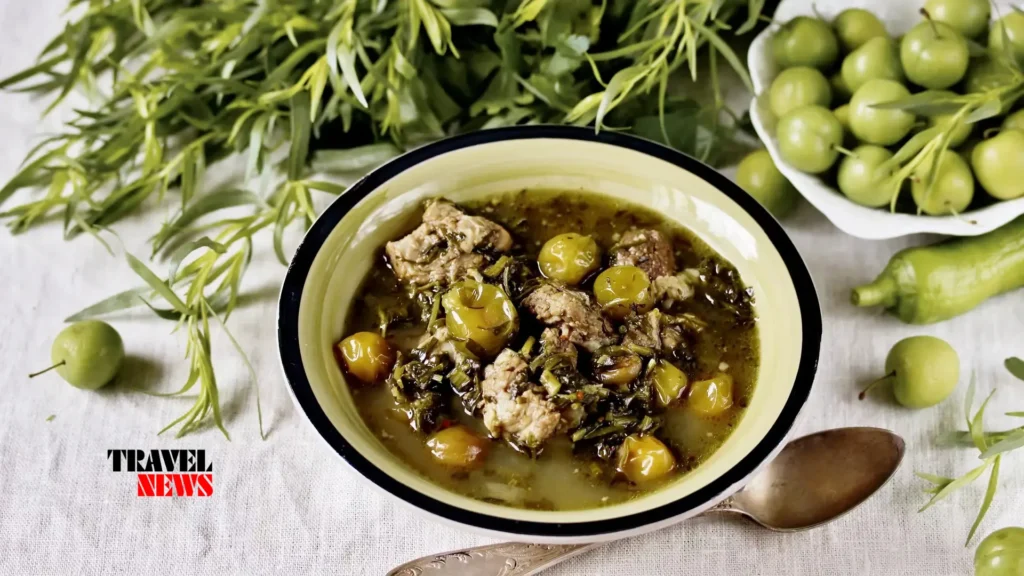
Gastronomy tourism in Georgia is an increasingly important part of the country’s tourism experience, combining Georgian cuisine, wine, regional products, culinary traditions and authentic local experiences.
For many international travelers, discovering Georgia means more than visiting historic sites and natural attractions. Food, wine and local hospitality can become an important reason to travel to the country.
From Kakheti’s wine culture to Imeretian cuisine, from Megrelian dishes to Adjara’s culinary traditions, every region offers visitors a different taste of Georgia.
What Is Gastronomy Tourism in Georgia?
Gastronomy tourism is a form of travel focused on discovering the food, drinks, culinary traditions and local products of a particular destination.
For travelers, this can include:
- tasting traditional dishes;
- visiting local restaurants and family-run establishments;
- visiting wineries and wine cellars;
- participating in cooking classes;
- visiting farms and local producers;
- attending food and wine festivals;
- discovering regional products and traditional food-making methods.
Gastronomy tourism is therefore much more than eating at a restaurant. It allows travelers to discover the culture, history and traditions of a destination through food.
Gastronomy Tourism in Georgia – Why Is Georgia Interesting?
Georgia is particularly well suited to gastronomy tourism because the country has a remarkable variety of regional cuisines and local products within a relatively small territory.
Different parts of Georgia have developed their own dishes, cooking traditions and food cultures. The official Georgia Travel guide to Georgian cuisine highlights the distinctive dishes found across different parts of the country.
Georgia’s tourism offering also combines food with wine, culture, nature and hospitality.
For travelers interested in discovering the country through its food, the official Georgia Travel Food & Wine guide provides an overview of Georgian culinary traditions and winemaking.
Gastronomy Tourism in Georgia – The Role of Georgian Cuisine
Georgian cuisine is one of the most recognizable elements of the country’s tourism identity.
Khachapuri, khinkali, mtsvadi, pkhali, chakapuli, lobio, satsivi, chikhirtma, kubdari, elarji and many other dishes represent different aspects of Georgian culinary culture.
One of the most interesting characteristics of Georgian cuisine is its regional diversity.
Khachapuri, for example, has different regional varieties, while dishes from Samegrelo are often characterized by stronger and spicier flavors. Imeretian, Kakhetian, Rachan and Ajarian cuisine also have their own distinctive characteristics.
The official Georgia Travel Georgian cuisine guide presents a wide range of traditional dishes from different parts of the country.
Gastronomy Tourism in Georgia by Region
Gastronomy Tourism in Kakheti
Kakheti is one of Georgia’s most important destinations for food and wine tourism.
The region is known for vineyards, wineries, traditional wine cellars, local dishes, churchkhela and Georgian hospitality.
A gastronomy tour in Kakheti can combine a visit to a winery with wine tasting, a traditional meal, a vineyard visit and an introduction to local food traditions.
The official Georgia Travel guide to Georgian wine also highlights Kakheti and other Georgian wine regions and their distinctive grape varieties.
Imeretian Cuisine
Imereti is another important region for gastronomy tourism.
The region is particularly associated with Imeretian khachapuri, local cheese, seasonal vegetables, pkhali and other traditional dishes.
Kutaisi can serve as a starting point for discovering Imeretian cuisine, while rural areas offer opportunities to experience local food traditions more directly.
Travel News has also covered the GEMO Fest in Kutaisi, a gastronomic festival featuring traditional and lesser-known Imeretian dishes, local wine and regional producers.
Megrelian Cuisine
Megrelian cuisine is known for its distinctive and often spicy flavors.
Elarji, ghomi, Megrelian kharcho, ajika and gebzhalia are among the dishes associated with the region.
For travelers interested in gastronomy tourism, Samegrelo offers an opportunity to discover a culinary tradition that is significantly different from the cuisines of eastern Georgia.
Ajarian Cuisine
Adjara is best known internationally for Ajarian khachapuri, but the region’s culinary culture extends far beyond this famous dish.
Local dairy products, fish dishes, traditional pastries and regional recipes are also part of the Ajarian food experience.
Combining Batumi with a culinary trip through mountainous Adjara can create a more complete gastronomy tourism experience.
Rachan Cuisine
Racha is another destination where food, wine and rural tourism can be combined.
Rachan lobiani, local wine, cheese and traditional dishes are part of the region’s culinary identity.
Travel News has also covered the GEMO Fest in Racha, where visitors can discover traditional and lesser-known Rachan dishes, local products and wine.
Gastronomy Tourism in Georgia – Wine and Food
Wine is inseparable from Georgian culinary culture.
Georgia has one of the world’s oldest winemaking traditions, while the traditional Qvevri wine-making method was inscribed on the UNESCO Representative List of the Intangible Cultural Heritage of Humanity in 2013. The UNESCO page on the Ancient Georgian traditional Qvevri wine-making method describes Qvevri as an earthenware vessel used for making, ageing and storing wine.
Wine is also closely connected to Georgian food.
The official Georgia Travel guide to wine in Georgian cuisine explains how wine and grape products have traditionally been used in Georgian dishes, sauces and sweets.
This creates an important opportunity for gastronomy tourism.
A visitor can experience Georgian wine not only through a tasting, but also through a traditional meal, a vineyard visit, a Qvevri cellar and conversations with local winemakers.
For a broader overview of wine-related travel, Travel News also covers wine tourism in Georgia.
Gastronomy Tourism in Georgia – Qvevri Wine and Culinary Culture
Qvevri is one of the strongest symbols of Georgian wine culture.
The traditional method involves fermenting and storing wine in large earthenware vessels that are traditionally buried in the ground.
According to UNESCO, Qvevri wine-making is practiced throughout Georgia, particularly in village communities, and the knowledge and skills associated with the tradition are passed down through generations.
For international visitors, experiencing Qvevri wine together with regional Georgian dishes can provide a direct connection between Georgia’s food, wine and cultural heritage.
Georgia Travel also presents Georgian wine as an essential part of the country’s food and cultural identity.
Gastronomy Tourism in Georgia – Food and Wine Festivals
Food and wine festivals are another important part of gastronomy tourism in Georgia.
These events bring together local producers, chefs, wineries, restaurants, farmers and visitors.
The festivals can introduce tourists to traditional dishes while also supporting local businesses and regional tourism.
One example is GEMO Fest in Kutaisi, which has focused on promoting local cuisine, regional entrepreneurs and Imeretian food traditions.
Travel News has covered the GEMO Fest in Kutaisi and other gastronomic events connected with Georgian regional cuisine.
The Gurjaani Wine Festival is another example of an event where wine, food, local products and Georgian traditions come together.
Gastronomy Tourism in Georgia – Local Producers
The development of gastronomy tourism is closely connected with local entrepreneurs.
Family wineries, farms, restaurants, cheese producers, guesthouses and small food businesses can all become part of a tourism experience.
For travelers, visiting a small local producer can be more memorable than simply buying a product in a supermarket.
A visitor can see how a product is made, meet the producer, taste local food and learn about the traditions behind it.
The official Places Georgia Travel platform also brings together tourism businesses and experiences across Georgia, including gastronomy and wine-related places.
Travel News has also covered examples of restaurants and tourism businesses built around local products and regional cuisine.
Gastronomy Tourism in Georgia – Cheese and Local Products
Georgian cheese is another important part of the country’s gastronomic heritage.
Different regions have their own cheese-making traditions, while local dairy products can become an interesting part of rural and gastronomic tourism.
For international visitors, a cheese tasting combined with Georgian wine, bread and seasonal products can provide an authentic introduction to local food culture.
The same applies to churchkhela, honey, jams, traditional bread, nuts, fruit products and other locally produced foods.
Gastronomy Tourism in Georgia – Cooking Classes and Culinary Experiences
Modern gastronomy tourism is increasingly focused on experiences rather than simple food consumption.
In Georgia, visitors can take part in activities such as:
- making khinkali;
- preparing khachapuri;
- making churchkhela;
- learning about traditional Georgian bread;
- preparing regional dishes;
- participating in wine and food pairing;
- visiting family farms;
- joining traditional Georgian supra experiences.
These activities allow tourists to become participants rather than observers.
The combination of food preparation, wine tasting and interaction with local hosts can make the experience more memorable and culturally meaningful.
Gastronomy Tourism in Georgia – How to Plan a Gastronomy Tour
A gastronomy tour can be designed around a particular region or combined with a broader trip around Georgia.
Kakheti Gastronomy Tour
A Kakheti itinerary can include:
- vineyards;
- family wineries;
- Qvevri wine;
- wine tastings;
- traditional Kakhetian dishes;
- local markets;
- churchkhela and other regional products.
Imereti Gastronomy Tour
An Imereti itinerary can include:
- Kutaisi;
- local restaurants;
- Imeretian khachapuri;
- family farms;
- local wineries;
- regional food festivals.
Samegrelo Gastronomy Tour
A Samegrelo itinerary can focus on:
- Megrelian cuisine;
- ajika;
- elarji;
- ghomi;
- local cheese;
- traditional family restaurants.
Adjara Gastronomy Tour
An Ajarian itinerary can combine:
- Batumi;
- Ajarian khachapuri;
- local dairy products;
- fish dishes;
- mountain Adjara;
- traditional villages.
A wider itinerary can also combine several of these experiences with Georgia’s cultural and natural attractions.
Why Is Gastronomy Tourism in Georgia Important?
Gastronomy tourism can contribute to the diversification of Georgia’s tourism offering.
It can also help spread tourism activity beyond major cities by connecting visitors with rural areas, local producers, family businesses and regional destinations.
A traveler interested in food and wine may visit a village, winery or family restaurant that would otherwise receive fewer international visitors.
This makes gastronomy tourism relevant not only for tourism marketing, but also for regional economic development.
Georgia’s culinary diversity, wine traditions and regional food products provide a strong foundation for developing tourism experiences beyond conventional sightseeing. The official Georgia Travel Food & Wine guide similarly presents food and wine as an important part of the country’s tourism experience.
Gastronomy Tourism in Georgia – Future Development
Georgia has strong potential to develop gastronomy tourism as an international tourism product.
The combination of Georgian cuisine, wine, Qvevri traditions, regional products, local producers and hospitality provides a distinctive experience.
The next stage of development can include better-designed gastronomic routes, stronger international promotion, culinary events, food-focused tourism products and closer cooperation between restaurants, wineries, farms and tourism businesses.
International visibility is also important. Georgian cuisine is increasingly known among travelers and food enthusiasts around the world, while Georgia Travel actively promotes the country’s culinary traditions and food experiences.
Conclusion – Gastronomy Tourism in Georgia
Gastronomy tourism in Georgia combines food, wine, culture, traditions and hospitality into one tourism experience.
From Kakheti’s wineries and Imeretian cuisine to Megrelian dishes, Ajarian specialties and Rachan food traditions, each region offers travelers a different way to discover Georgia.
For international visitors, Georgian cuisine can become more than something to taste during a trip. It can become a reason to travel, explore different regions and connect with local communities.
The combination of traditional food, Qvevri wine, local products, family businesses and culinary festivals gives Georgia a strong foundation for developing gastronomy tourism as an international tourism product.
Georgia is not simply a destination to see.
It is a destination to taste.
Want an Article About Your Tourism Business or Project?
If you have a tourism business, hotel, restaurant, winery, tourism attraction, project or event and would like a professional article about it, contact us:
Travel News – Tourism Partner Media