

Regenerative tourism is an approach to tourism development that looks beyond protecting the natural environment. It also explores opportunities to restore nature and empower local communities.
Today, it is increasingly important to consider not only how many tourists visit a country, but also how tourism affects nature, the local economy and community well-being.
Regenerative tourism addresses these questions by seeking to increase tourism’s positive impact.
Its goal is not simply to reduce negative environmental effects. It also focuses on restoring natural ecosystems, strengthening local communities and preserving the resources on which the future of a destination depends.
Official materials from UN Tourism show that regenerative tourism has become an important topic in international discussions. On October 5, 2026, the organisation’s Best Tourism Villages network published material examining the shift from protecting natural tourism sites to restoring them.
This approach is particularly relevant to countries whose tourism offerings depend heavily on nature and rural landscapes.
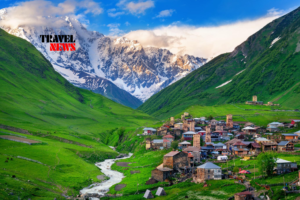
For Georgia, the issue is especially important. The country has mountain regions, protected areas, forests, rivers, wine culture and opportunities for rural tourism development.
The long-term value of these resources depends not only on attracting visitors, but also on how they are managed.
What Is Regenerative Tourism and How Does It Work?
Regenerative tourism is an approach that seeks to make a positive contribution to the natural environment and local communities.
This can include ecosystem restoration, strengthening local economies, preserving cultural heritage and involving residents in tourism planning.
One of the main goals of traditional sustainable tourism is to reduce negative impacts and use resources responsibly.
Regenerative tourism goes a step further. It asks an additional question: how can tourism help improve the condition of a particular place?
For example, a tourism business located near a natural area does not have to limit its efforts to reducing environmental impact. It can participate in local nature restoration projects, support local producers and help visitors understand the ecological importance of the area.
However, it is important to understand the distinction. Regenerative tourism is not an official replacement for sustainable tourism or a universal certification. UN Tourism’s 2026 position paper considers this approach within the broader framework of sustainable tourism.
Source: UN Tourism – Committee on Tourism and Sustainability
What Does UN Tourism Say About Tourism That Has a Positive Impact on Nature?
In October 2026, the UN Tourism Best Tourism Villages network published material titled From Protection to Regeneration: Rethinking Tourism in Natural Sites. It explores how tourism destinations can go beyond protecting natural areas and contribute to their restoration.
The discussion focused on the relationship between tourism and the natural environment. Mountains, wetlands, caves and cultural landscapes are more than tourist attractions. They are part of ecosystems, local identity and community livelihoods.
Growing tourism activity can create new economic opportunities in these places. However, poor management can increase waste, damage natural environments and put pressure on local infrastructure.
Tourism that aims to have a positive impact on nature therefore requires a broader perspective. Businesses, local authorities, communities and nature conservation organisations need to work together.
Official UN Tourism material: From Protection to Regeneration: Rethinking Tourism in Natural Sites
International Report: How Can Tourism Help Restore Nature?
In 2024, UN Tourism, the World Travel & Tourism Council (WTTC) and the Sustainable Hospitality Alliance published a joint report titled Nature Positive Travel & Tourism in Action.
The report brings together more than 30 examples. They show how tourism businesses, public authorities, local organisations and partnerships can contribute to nature conservation and restoration.
The publication focuses on biodiversity protection, pollution reduction, responsible resource use and the restoration of natural environments. It also encourages the tourism sector to treat nature protection as part of decision-making, rather than as an additional activity.
The examples do not mean that every approach is suitable for every country. Their value lies in demonstrating possible actions that can be adapted to the needs of individual destinations.
Source: UN Tourism – Nature Positive Travel and Tourism
Key Principles of Regenerative Tourism
Regenerative tourism is more than a general idea. Its principles can be applied to destination management, hotel operations, rural tourism experiences and local economic development.
1. Restoring the Natural Environment
Tourism businesses and destination managers can support the restoration of local ecosystems. Practical measures may include restoring native vegetation, improving waste management, protecting water resources and preserving natural habitats.
Such projects should be based on ecological knowledge and appropriate assessment. For example, planting trees or other vegetation does not automatically mean that an ecosystem has been restored. Local conditions must be considered, and results need to be evaluated.
2. Strengthening the Local Economy
Tourism benefits can be distributed more widely when local producers, farmers, craftspeople, guides and small businesses participate in tourism experiences.
A hotel that purchases local products or a tour operator that works with rural communities can help keep a share of tourism spending within the local economy.
This approach is particularly important for Georgia’s regions. Tourism experiences can be connected with local food, wine, traditions and rural life.
Learn more in Travel News articles about Agritourism in Georgia, Wine Tourism in Georgia and Gastronomy Tourism in Georgia.
3. Using Resources Responsibly
Hotels, family-run accommodation providers and tourism companies can reduce water and energy consumption. They can also improve waste management and adopt practices suited to local conditions.
For tourism businesses located near natural areas, protecting water resources and preventing waste from entering the environment are particularly important.
These measures are only one part of the regenerative approach. The broader goal of restoring nature requires more than reducing harm. It also involves identifying specific ecological needs and responding to them.
4. Protecting Natural and Cultural Heritage
The appeal of a tourism destination often depends on its distinctive nature, traditions and cultural identity.
Preserving these resources requires local community involvement, visitor education and tourism activities that are compatible with the local environment.
Local culture should not become merely a performance designed for tourists.
Communities should have the opportunity to participate in decisions about how their heritage is presented and how tourism develops.
Opportunities for Regenerative Tourism in Georgia
Georgia offers a diverse range of tourism experiences. The country combines mountain regions, coastal destinations, protected areas, wine culture, rural life and gastronomy.
This diversity creates several potential opportunities to apply regenerative tourism principles.
Mountain Regions and Natural Landscapes
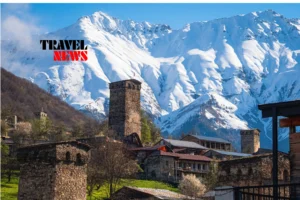
Mountain tourism depends on the condition of the natural environment. Maintaining trails, managing waste, informing visitors and involving local communities can help preserve natural resources.
Specific measures should also reflect the ecological condition of each area and its conservation requirements.
Protected Areas and Ecotourism
Protected areas are an important part of Georgia’s natural heritage. Tourism can raise awareness of these places and support local economies. However, visitor activities must remain consistent with conservation objectives.
Tourism products should be planned with consideration for potential environmental impacts, visitor flow management and appropriate infrastructure.
Rural Tourism and Local Products
Rural tourism can help connect nature conservation with local economic development.
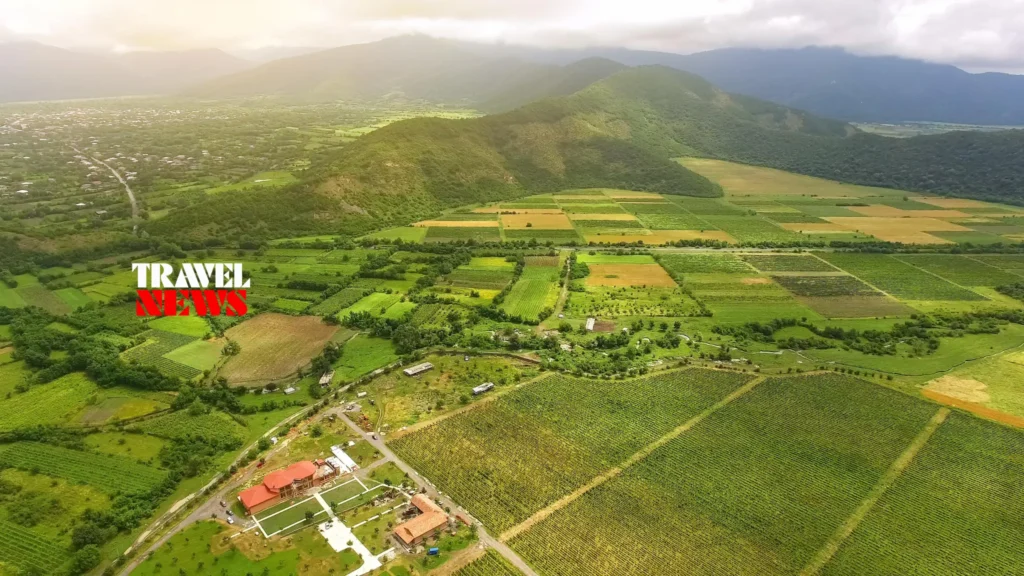
Family-run accommodation, farms, wineries and local guides give visitors opportunities to discover a region. Their activities can also support the sale of local products and the preservation of traditions.
For a broader overview of the country’s destinations and tourism experiences, see Travel News’ guide to Tourism in Georgia.
What Does Regenerative Tourism Mean for Tourism Businesses?
Regenerative tourism is not solely the responsibility of public authorities or large international organisations. Tourism businesses can also take practical steps.
A hotel can assess its water and energy consumption and measure the share of its purchases sourced from local suppliers.
A tour operator can select routes and partners that support the local economy. A company working near a natural area can participate in environmental initiatives.
However, businesses should assess their activities based on real results. Green packaging, environmental claims or a one-off clean-up event are not enough to demonstrate that a business contributes to nature restoration.
Businesses need to set objectives, implement appropriate measures and monitor results. This helps them understand their impact more clearly and provide accurate information to customers.
For more on tourism’s economic role, read Travel News’ article on Tourism’s Share of Georgia’s GDP: Outlook to 2030.
What Should Tourism Destination Managers Consider?
Regenerative tourism cannot be achieved through a single project. It requires long-term planning and cooperation among different stakeholders.
Important steps for destination managers include:
- Assessing the condition of natural and cultural resources.
- Identifying problems associated with tourism activities.
- Involving local communities and businesses in decision-making.
- Setting priorities for nature conservation and restoration.
- Monitoring the economic and environmental outcomes of tourism.
- Sharing information transparently.
Every destination needs a plan suited to its own circumstances.
For a mountain village, priorities might include trail maintenance and waste management. In another destination, protecting water resources or ensuring that tourism revenue reaches local businesses may be more important.
The key is to base decisions on the specific needs of each place.
Conclusion: Tourism Development Is About More Than Visitor Numbers
Regenerative tourism raises a question that is becoming increasingly important in tourism planning: how can tourism not only reduce negative impacts, but also contribute to restoring the natural environment and strengthening local communities?
Official UN Tourism materials and the Nature Positive Travel & Tourism in Action report show that these issues are receiving international attention.
However, the results of specific approaches depend on local conditions, sound planning and effective implementation.
For Georgia, regenerative tourism offers an opportunity to give greater attention to the long-term protection of natural resources, the participation of local businesses and the creation of economic benefits in the regions.
Tourism success should not be measured only by how many people visit a country or a particular destination.
It is also important to ask what benefits local communities receive, how the condition of the environment changes and whether the resources that make a destination attractive can be preserved for the future.
Tourism development focused on long-term progress begins by seeking answers to these questions.
Travel News – Tourism Partner Media.