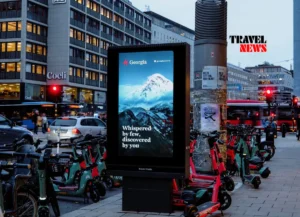



Scandinavian tourists in Georgia could become an increasingly important new international market for the country’s tourism industry. Georgia is strengthening its tourism promotion in Denmark, Norway and Sweden through marketing campaigns, business meetings and the presentation of Georgian tourism products.
The campaign is taking place in Copenhagen, Oslo and Stockholm and is designed to increase awareness of Georgia as a tourism destination while creating new connections between Georgian tourism businesses and companies in the Scandinavian markets.
According to the Georgian National Tourism Administration, the campaign includes promotional activities and B2B meetings involving Georgian and local tourism companies.
For more information about Georgia’s tourism sector and international tourism activities, visit the Georgian National Tourism Administration.
Why Is Scandinavia Important for Georgia Tourism?
Denmark, Norway and Sweden represent interesting potential markets for Georgia.
For the Georgian tourism industry, entering new markets is important because it helps diversify international visitor flows and reduces dependence on a limited number of source markets.
Scandinavian travelers can also be particularly interesting for tourism businesses looking to develop higher-value travel products focused on culture, food, wine, nature and authentic local experiences.
The development of a new market, however, requires more than advertising. Direct communication with tour operators, travel companies and other industry professionals is essential for turning international awareness into actual bookings and travel products.
Promoting Georgia in Copenhagen, Oslo and Stockholm
Georgia’s tourism campaign in Scandinavia includes advertising in major cities as well as presentations and B2B meetings.
Promotional materials presenting Georgia as an interesting tourism destination have been displayed in central locations in Copenhagen, Oslo and Stockholm.
The campaign is also important because it gives Georgian tourism businesses an opportunity to present their products directly to professionals in the Scandinavian market.
Georgia offers a wide range of tourism experiences, from cultural and city tourism to wine, gastronomy, nature and adventure travel.
Travel News provides a broader overview in its guide to Tourism in Georgia – destinations, attractions and a complete travel guide.
Direct Flights Between Copenhagen and Tbilisi
Air connectivity is one of the most important factors in developing a new tourism market.
Norwegian launched direct regular flights between Copenhagen and Tbilisi in June 2026, creating the first direct air connection between the capitals of Denmark and Georgia. The route initially operates twice a week.
The new connection makes Georgia more accessible to travelers from Denmark and can also support broader tourism and business links between Georgia and Scandinavia.
Travel News previously reported on the launch of the route in Norwegian enters the Georgian aviation market.
The airline has also already operated its first scheduled flight to Georgia, with the Copenhagen-Tbilisi-Copenhagen route continuing twice a week. Read more in Norwegian launches first regular flights to Georgia.
For current flight information, travelers can also check the official Norwegian website.
Scandinavian Tourists in Georgia – A New Opportunity
Scandinavian tourists in Georgia can be offered a combination of experiences that reflects the country’s main tourism advantages.
Georgia’s relatively small territory allows visitors to combine several types of tourism during one trip.
These can include:
- wine tourism;
- gastronomy tourism;
- cultural tourism;
- nature and ecotourism;
- adventure travel;
- mountain tourism;
- seaside tourism;
- city breaks;
- rural and authentic local experiences.
This diversity is one of Georgia’s main advantages when competing for international travelers.
Travelers can explore Tbilisi, visit wineries in Kakheti, experience Georgian cuisine, travel to the Caucasus Mountains and discover the Black Sea coast during the same trip.
Wine Tourism in Georgia
Wine tourism can be one of Georgia’s strongest tourism products for international markets.
Georgia’s ancient winemaking traditions, qvevri wine, vineyards, family wineries and wine regions create experiences that are difficult to replicate elsewhere.
For Scandinavian travelers interested in food, culture and authentic experiences, a wine trip can combine vineyard visits, wine tasting, local cuisine and encounters with Georgian winemakers.
Travel News has developed a dedicated guide covering Wine Tourism in Georgia – wineries, regions and wine tours.
Kakheti is particularly important for wine tourism, but Georgian wine culture extends beyond the country’s best-known wine region.
A wine itinerary can also include cultural attractions, local restaurants, villages and other regional experiences.
Gastronomy Tourism in Georgia
Food is another important part of Georgia’s international tourism offer.
Georgian cuisine is strongly connected to the country’s regions, traditions and hospitality. Khachapuri, khinkali, mtsvadi, pkhali, churchkhela and many other dishes provide visitors with different ways to experience Georgian culture.
Gastronomy tourism can also connect travelers with local producers, family businesses, restaurants, wineries and rural communities.
Travel News’s guide to Gastronomy Tourism in Georgia – Georgian Cuisine and Flavors explores the country’s regional cuisine, food experiences, wine and culinary traditions in greater detail.
For Scandinavian travelers, combining gastronomy and wine can create a particularly strong tourism product.
A trip to Georgia can include a winery visit, a traditional meal, a local food experience and an introduction to the cultural traditions behind Georgian cuisine.
Nature and Adventure Tourism
Georgia’s natural diversity is another major advantage.
The country offers mountains, forests, national parks, canyons, caves, protected areas and the Black Sea coast.
For travelers interested in outdoor experiences, Georgia can offer hiking, trekking, skiing, canyon visits and other nature-based activities.
Protected areas are becoming an increasingly important part of the country’s tourism offer. Travel News recently reported that Georgia’s protected areas welcomed around 900,000 visitors during the first nine months of 2026 in Protected Areas in Georgia Welcome Around 900,000 Visitors in 9 Months.
This creates opportunities for tourism products that combine nature with local culture, food, wine and rural experiences.
Cultural Tourism and Authentic Experiences
Georgia’s cultural heritage is another important element of its tourism offer.
Historic cities, monasteries, churches, traditional architecture, local festivals and regional customs allow international visitors to experience a destination with a strong cultural identity.
For Scandinavian travelers, cultural tourism can be combined with gastronomy and wine to create more complete itineraries.
Instead of focusing on a single attraction, tour operators can develop multi-day products connecting Tbilisi with Kakheti, Imereti, Svaneti, Adjara and other regions.
This approach can also help distribute tourism activity beyond the country’s largest cities.
Four-Season Tourism
Another opportunity is Georgia’s potential as a four-season destination.
Summer can bring visitors to the Black Sea coast and mountain regions, while autumn is particularly attractive for wine tourism and the grape harvest.
Winter offers mountain resorts and snow-related activities, while spring is suitable for cultural tourism, hiking, nature and regional travel.
The development of four-season tourism products could make Georgia more attractive to international markets by reducing dependence on a single travel season.
Travel News has also examined this wider opportunity in Georgia’s Tourism Potential – What Opportunities Does the Country Offer?.
Scandinavian Tourists in Georgia – Opportunities for Tourism Businesses
The development of the Scandinavian market could create opportunities for a wide range of Georgian tourism businesses.
These include:
- tour operators;
- hotels;
- wineries and wine cellars;
- restaurants;
- guides;
- transport companies;
- adventure tourism providers;
- rural tourism businesses;
- regional tourism projects.
For businesses, international promotion is most valuable when it leads to direct relationships with foreign partners.
B2B meetings can help Georgian companies present their products to Scandinavian tour operators and potentially develop new travel packages.
This is why the combination of marketing, air connectivity and business cooperation is particularly important.
Scandinavian Tourists in Georgia – A New Opportunity
Scandinavian tourists in Georgia could become an important new segment of the country’s international tourism market if promotional activities, direct flights and cooperation between Georgian and Scandinavian tourism businesses continue to develop.
The campaign in Denmark, Norway and Sweden is significant because it combines three important elements: destination marketing, business networking and direct presentation of Georgian tourism products.
Improved air connectivity adds another practical advantage.
For Georgia, the next challenge is not simply attracting attention in Scandinavia. It is turning that attention into actual travel demand and creating tourism products that encourage visitors to stay longer and explore more of the country.
Wine tourism, gastronomy, nature, culture, adventure and four-season travel give Georgia a broad foundation for doing this.
Scandinavia could therefore become one of the more interesting emerging markets for Georgia’s tourism industry.
Conclusion
The growing focus on Scandinavian tourists reflects Georgia’s broader effort to diversify its international tourism markets.
Denmark, Norway and Sweden offer opportunities for Georgia to increase destination awareness, develop new B2B relationships and attract travelers interested in culture, food, wine, nature and authentic experiences.
The launch of direct Copenhagen-Tbilisi flights strengthens this opportunity by making Georgia more accessible to Scandinavian travelers.
If marketing, air connectivity and private-sector cooperation continue to develop together, Scandinavia could become an increasingly important market for Georgian tourism.
For Georgian tourism businesses, this means not only a new source of visitors, but also a potential new network of international partners.
Would you like an article about your business or project?
If you would like an informative article about your business, tourism property, project or event, or would like to distribute a press release through Travel News, contact us:
Travel News – Tourism Partner Media